%2Ffit-in%2F250x250%2Fguide_websites%2F4112%2Fimages%2Fimageedit_30_6902807099.png&w=1920&q=100)
Salmon Fishing in Grants Pass, Oregon - Guided Trip
Salmon Fishing in Grants Pass - What to Expect
%2F%2Fusers%2Fe91e2efc-5cf3-4a46-825a-1b530b93e20e%2Fimages%2Fsalmon-catch-grants-pass-oregon-2434.png&w=1920&q=75)
Guided Fishing Trip by Guide T.J Cornelison in July
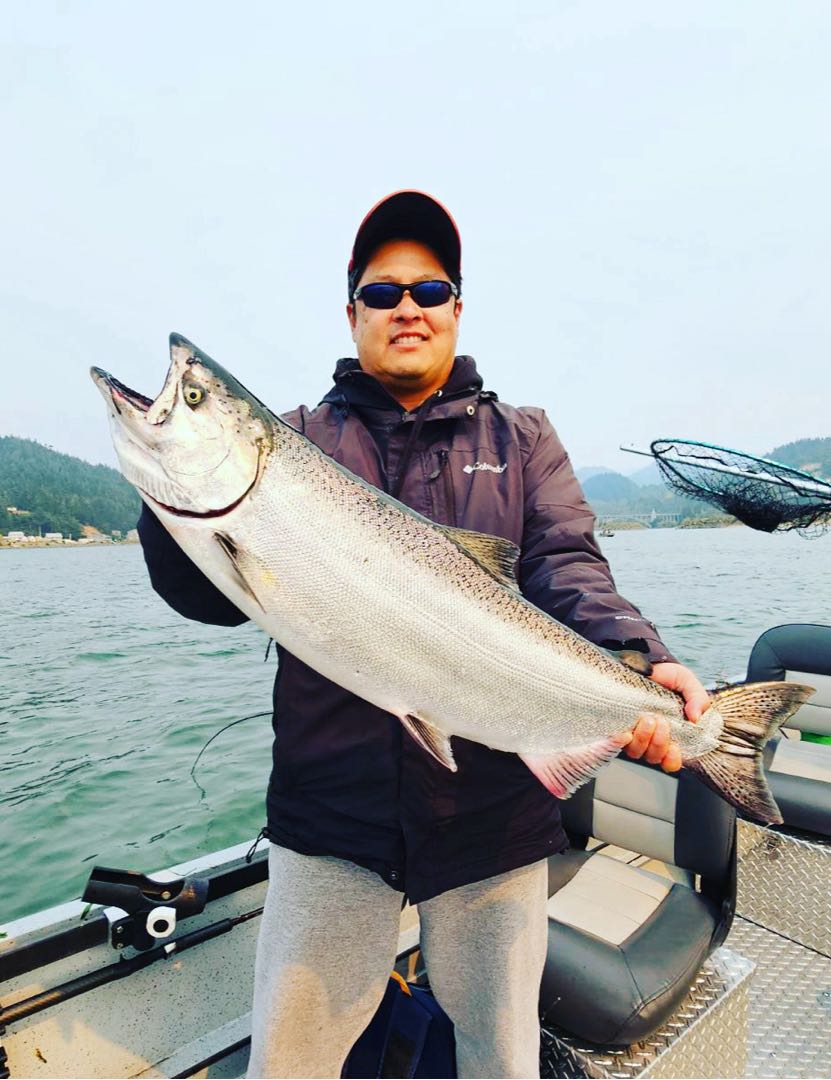
- Discover Salmon And Steelhead Fishing in Oregon


Summary
Join a guided fishing trip on the Rogue River in Grants Pass, Oregon, where anglers pursue trophy salmon in one of the Pacific Northwest's premier fishing destinations. This Saturday in July offers the perfect opportunity to learn salmon behavior, proven techniques, and local water knowledge from an experienced guide committed to helping you land your catch.
Guided Salmon Fishing with T.J Cornelison - Rates & Booking
Guide T.J Cornelison of Cornelison's Guided Fishing operates guided fishing trips on Saturday, July 4th, offering access to the Rogue River's productive salmon waters near Grants Pass. When booking your trip, contact Cornelison Fishing to discuss current rates, available dates, and what's included in your package. Most guided salmon trips provide all essential gear and local expertise to maximize your chances of connecting with trophy fish.
The Rogue River near Grants Pass is known for consistent salmon populations and challenging conditions that reward proper technique and strategy. Working with a guide means learning the specific runs, seasonal patterns, and presentation methods that work in these waters. Book your salmon fishing adventure online to secure your preferred date and ensure you're prepared for one of Oregon's best fishing experiences.
Highlights of Your Salmon Fishing Experience
Salmon fishing on the Rogue River combines the thrill of pursuing a powerful species with the natural beauty of Southern Oregon's river landscape. You'll navigate productive channels where salmon hold before migration, learning how water temperature, current speed, and seasonal timing influence fish behavior. The satisfaction of landing a salmon comes from understanding its instincts and matching your presentation to what the fish will strike.
The Rogue River system near Grants Pass attracts multiple salmon species throughout the year, each with distinct behavioral patterns. Spring and summer runs bring fish actively feeding and moving upriver, creating opportunities for anglers using both traditional and modern techniques. Your guide provides the local context needed to read conditions and adapt your approach throughout the day.
Local Salmon Insights - Rogue River Species & Behavior
Salmon in the Rogue River exhibit seasonal migration patterns tied to water temperature, spawning cycles, and food availability. Understanding these patterns helps explain why certain times and locations produce better fishing. Spring Chinook salmon typically run earlier in the season, while fall-run fish arrive as water temperatures cool and rivers begin their descent. Coho salmon, when present, are aggressive strikers that respond well to moving baits and lures that mimic wounded baitfish.
The Rogue River's structure creates ideal salmon habitat. Deep pools provide refuge and resting areas during migration, while faster current sections attract feeding fish. Salmon use visual cues and lateral line sensitivity to locate food and identify potential threats, which is why successful anglers match their presentations to natural prey sizes and movement patterns. The river's temperature fluctuations throughout the day affect salmon activity levels - early morning and evening often produce better results as fish become more aggressive in lower light conditions.
Local guides like T.J Cornelison understand how seasonal variables influence Rogue River salmon. Water clarity affects visibility and presentation choices. Runoff from rainfall changes the entire ecosystem, pushing salmon to different locations and altering their feeding behavior. Winter steelhead and spring chinook require different techniques and patience, while summer runs may offer more consistent action. Learning these nuances during your guided trip accelerates your understanding of salmon behavior and builds skills applicable to future trips.
The physical demands of salmon fishing reward proper technique and conditioning. Casting accuracy, line management, and hook-setting mechanics determine success rates. Your guide demonstrates the why behind each technique - why certain angles work better, how to maintain proper tension, and when to apply pressure. Salmon are powerful fish that demand respect for their strength and intelligence, making every hookup an earned victory.
Plan Your Salmon Fishing Day
Guided salmon fishing trips typically start early to catch peak feeding windows. Bring weather-appropriate clothing, as river conditions can shift quickly, and water spray is inevitable when fighting larger fish. Most guides recommend starting with basic instruction and watching your guide's presentations before taking the rod. This observation period helps you understand the rhythm and timing of successful salmon fishing on the Rogue River.
Bring polarized sunglasses to reduce glare and spot fish in the water. Comfortable, non-slip footwear is essential for navigating river rocks and boat decking. A willingness to learn and adapt your approach throughout the day makes the difference between an average trip and a memorable one. Your guide provides all necessary fishing tackle and will adjust strategies based on conditions, fish activity levels, and your skill level throughout the session.